There are a thousand places I’d love to see in this country, so deciding what to do for my first weekend was overwhelming, to say the least – I was feeling the Paradox of Choice: like going to an ice cream shop and holding up the whole line because you just can’t seem to make a decision. I know, I know – a total first world problem. The weather forecast was beautiful, but extremely hot (each day in September has been 90+ degrees so far), so spending all day walking around a big city like Tokyo or Osaka would probably send me to the hospital. Instead, I settle on the quiet town of Gero, comfortably nestled in the mountainous Gifu prefecture, just about 90 minutes north of Nagoya, and known in Japan as one of the top three best onsen (hot spring) towns. It’s been a busy week, and I figure a little bit of zen would be nice.
Fortunately, the JR Central Train runs about every hour, so I don’t have to worry about missing my ride should there be a blip in figuring out the tickets. After some awkward meandering through Nagoya Station and sheepishly realizing that my metro card in fact would not get me to the mountains, I stumble across the ticket counter for long-distances trains – the JR line. (There’s a whole lot of information to share about public transportation in Japan, so I’ll be sure to make a separate post with tips & general information).
I slip my ticket through the automated gate and climb on the train with plenty of time to spare, and am immediately impressed by the space, the cleanliness, the comfort, and the extremely large windows. As we start traveling, the windows come in handy, and I get some jaw-dropping views of the Hida river running through the Japan alps.
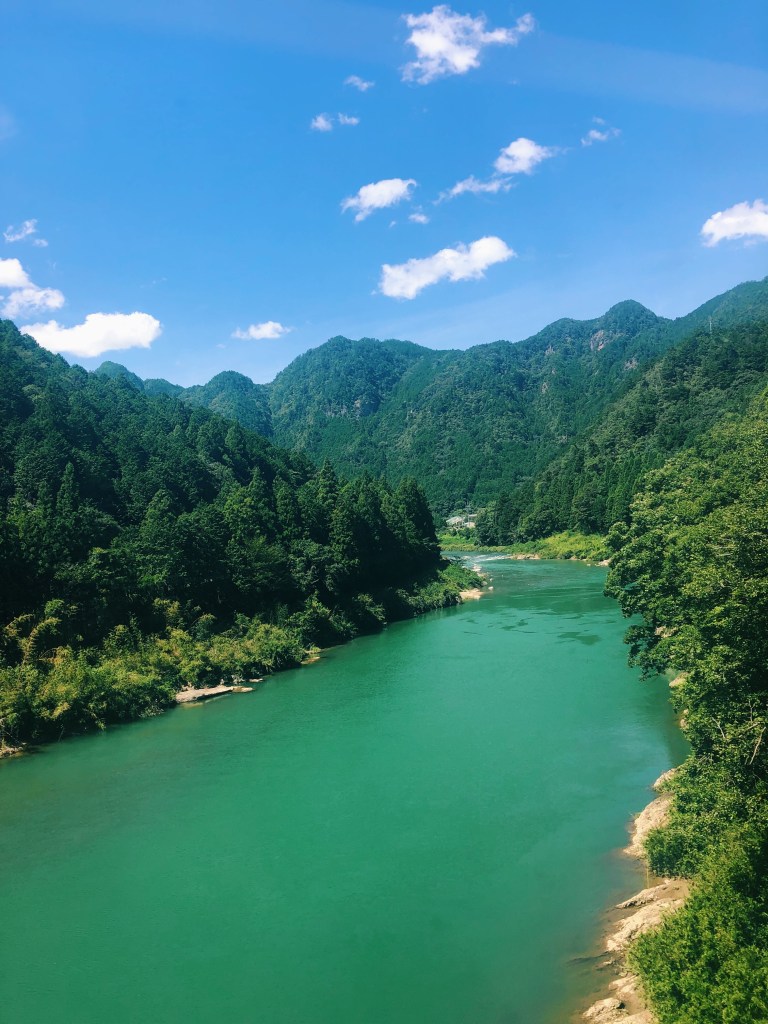
I had no idea the train ride would be so pretty, the blues and greens reflecting in the sunlight like gemstones. I begin to feel like a kid on Christmas morning, full of excitement for what lies ahead. We arrive at exactly the time indicated on the ticket, and I hop off the train to explore. The town is small but lively, a labyrinth of narrow uphill streets, featuring a myriad of gift shops, restaurants, hotels, galleries, and of course – a Lawson convenience store. As I cross the bridge that connects the two main sections of town, I stop to take in the view.
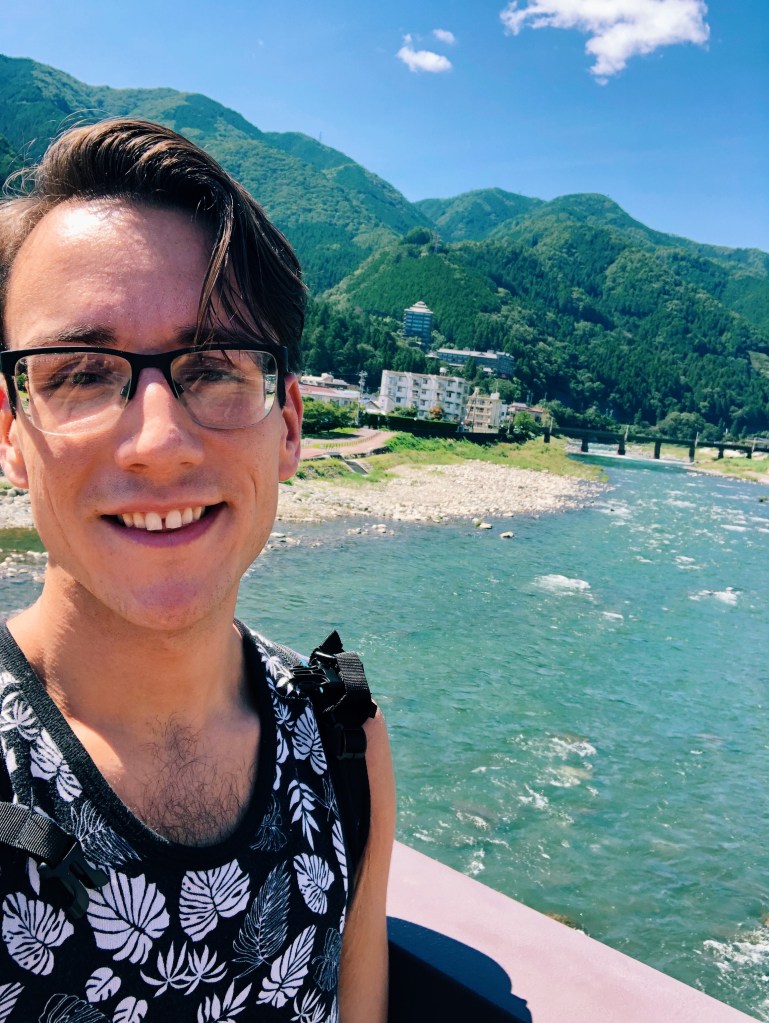
Since I have a few hours before I check into my ryokan (Japanese-inn style hotel), I take advantage of the daylight by visiting one of the nearby museums I read about. This was probably my favorite part of the stay.
Gero Onsen Gassho Mura Museum
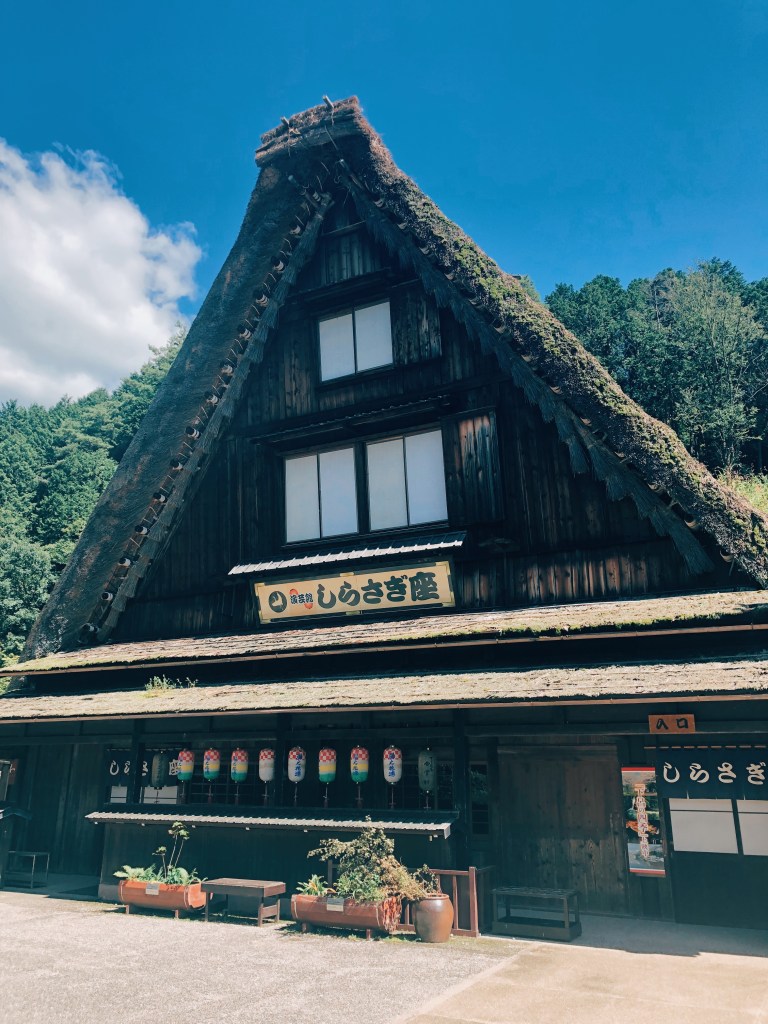
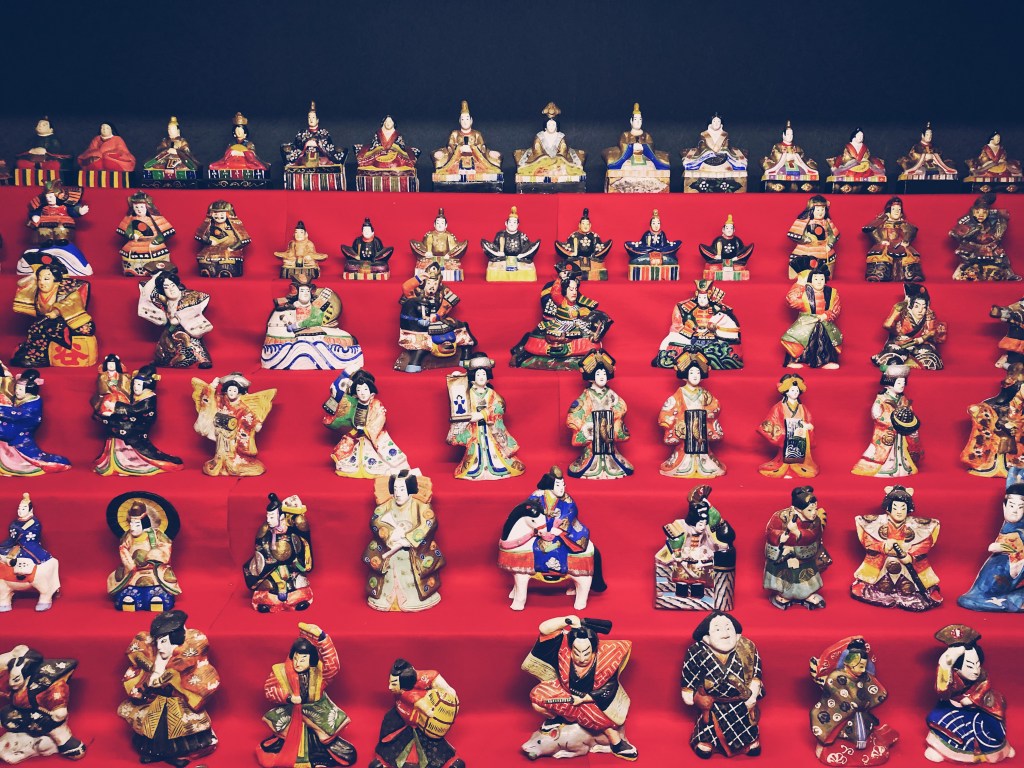
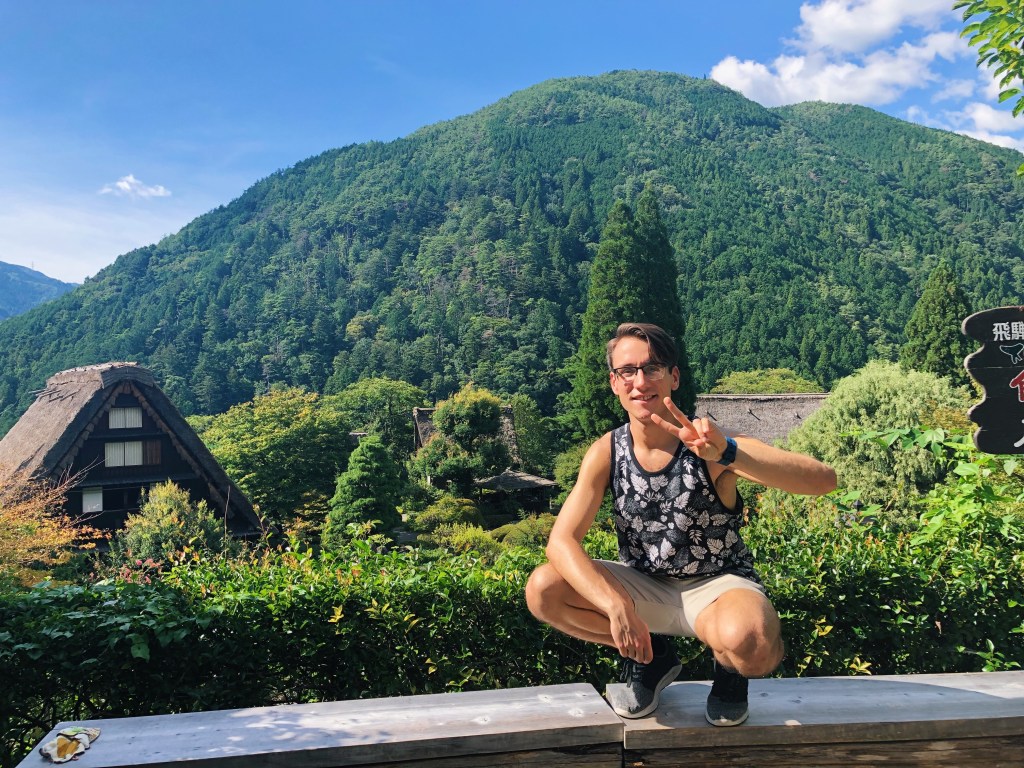
This open-air folk museum is located about a mile up the hill and features a collection of gassho zukuri farmhouses transplanted from various places throughout Japan, joined together to form a village replicating life in these mountains hundreds of years ago. Gassho zukuri translates to “hands in prayer architecture,” referring to the thatched-hay roofs built in the shape of a sharply pointed triangle, intended to protect these homes from heavy snowfall.
In the village, there are dozens of smiling frog statues sprinkled throughout, seemingly watching you from every corner. I didn’t understand why there were so many, but figured that collecting frog statues was just the museum landscaper’s secret obsession. Later on, however, I would see them everywhere throughout the town as well, even filling up a shrine dedicated just to these frogs. After a bit of research, I learned that in Japanese, “gero” is the sound that a frog makes, so the frequent figurines are a nod to its namesake – the more you know!
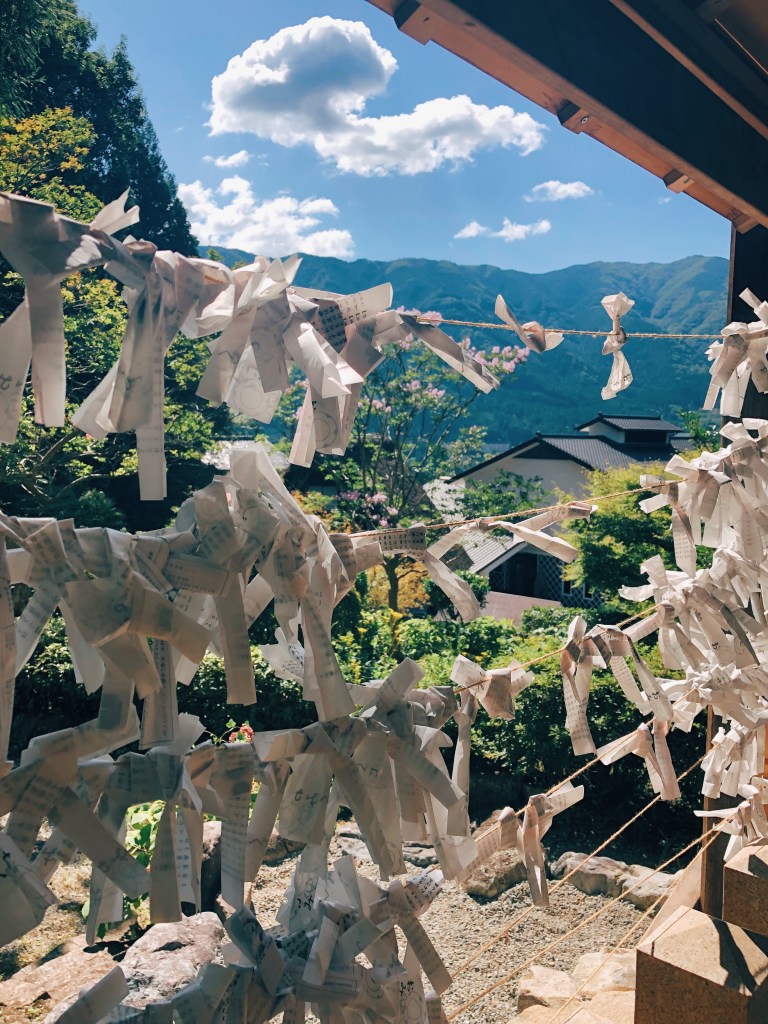
I make my way through the different houses in the village (careful to take off my shoes as I step inside), admiring the culture, art, and layout of these traditional homes. There is a beautiful shrine with fortunes that you can buy for 100 yen. If the fortune is good, you keep it – if it’s bad, you tie it up and leave it behind. I eagerly purchase one before realizing that of course it will be in Japanese. Not looking to take any risks, I tie it up and leave it – better safe than sorry.
Slowly, I make my way to the top of the hill, passing the twisted tunnels of an amusement park-esque slide that sends you right back down. Eventually, I arrive at my destination, and I am thoroughly sweaty and exhausted – but I’m able to get a great picture. All in all, the museum is a fantastic experience that I highly recommend.
Onsen Relaxation
I stop for a quick lunch of ramen & sasazushi (sushi wrapped in bamboo leaves) before heading to my hotel. I’m excited to check-in and see my room, but then the hotel attendant asks for my passport. I freeze – my heart stops – I didn’t bring it. Reminder: When traveling in Japan, or anywhere internationally for that matter, never make the mistake of forgetting your ID. Ever. Don’t be like me. Always pack your passport. After an embarrassing series of apologies, and maybe a little bit of begging (just between you and me), the management lets me stay with the exchange of my address/phone number as collateral and the promise of sending a picture of my passport when I get back home. Relieved is an understatement.
The room is covered in traditional tatami mats, on which I will be sleeping tonight (no bed in sight). It’s actually really comfortable and yes, I’ll say it – down to earth.
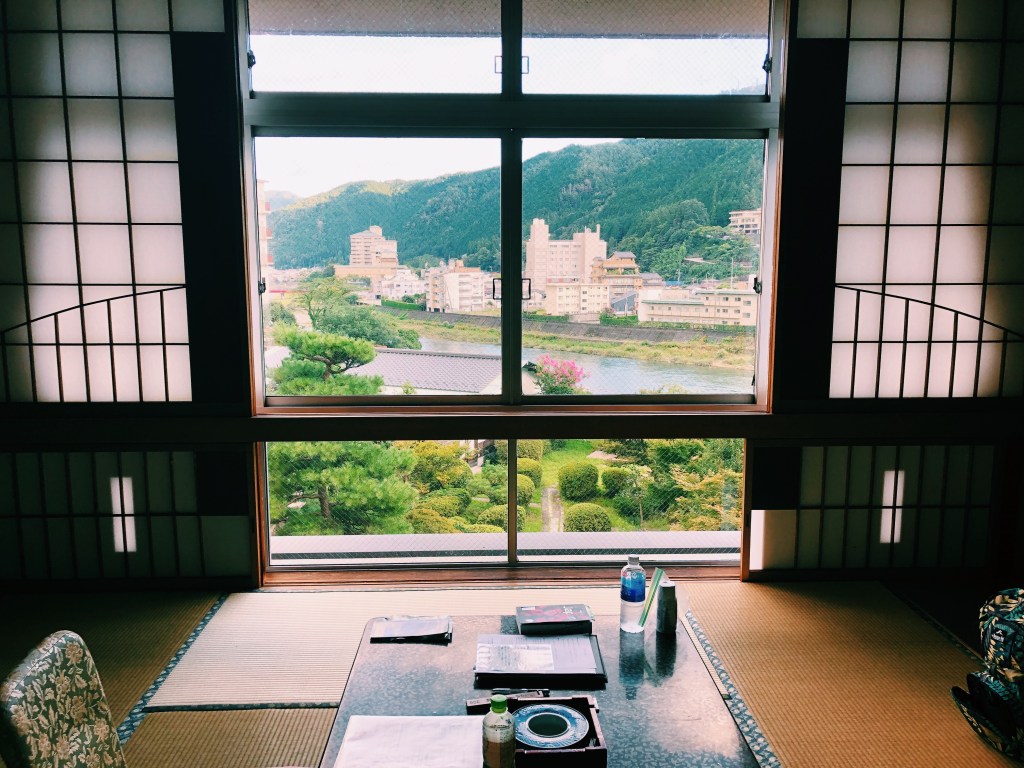
My first task is to experience the hot spring, so I change into the robe provided, reading the instructions attached and staying careful to wrap it with the left side on top (the other way is how they wrap the dead!).
If you’re shy, I wouldn’t recommend it – because yes, the onsen is public (you have to shower before you go in) – but trying a traditional hot spring was on my list of things to experience in Japan. The water was great, and the view of the mountains at sunset was breathtaking. Obviously, no cell phones or pictures are allowed – but you can imagine what it was like.
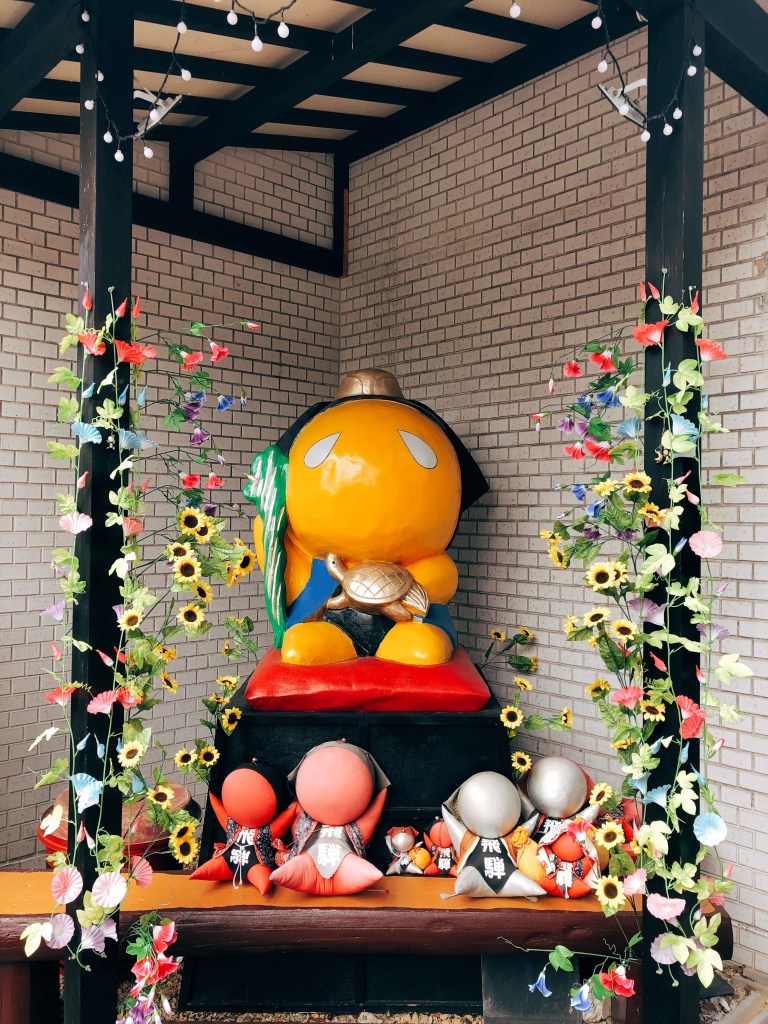
For dinner, I wander the streets of Gero, which has now become quiet and sleepy. The few locals I see are sporting kimonos and wooden sandals, wandering in and out of the many public foot baths available, free of charge. Everywhere you go, there are tons of red-faced figurines – mascots, I’ll call them – which I later find out to be called sarubobo, or “baby monkey.” They are traditionally a symbol of good luck and happiness in marriage in the Hida region. Typically faceless, the rumor is that during WWII, the doll-makers did not want to feign smiles – so instead of making dolls with sad faces, they chose to leave them blank.
I settle on a nearby restaurant called Kirazushi, a tiny alcove off the side of the main road, where I sit by the counter and am served a set of authentic sashimi, one piece at a time, as the chef prepares it. I watch TV with the patrons, and we talk about the coming typhoon, poised to hit the Tokyo area within the next week. I think about Hurricane Dorian in the US, and how strangely in sync we are, despite the miles. Before I leave, I tell the owner how beautiful his town is.
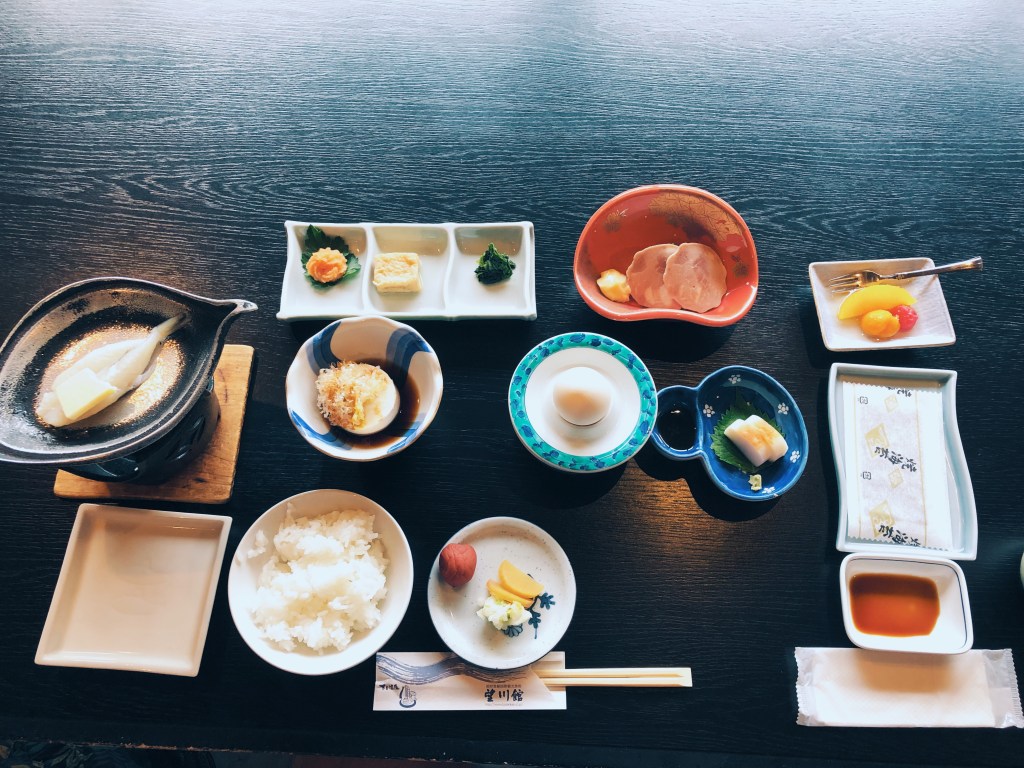
In the morning, I’m served a traditional Japanese breakfast in the hotel restaurant. I don’t know most of what I ate, so please don’t ask me, but I did make sure to leave the raw egg on the side for someone else to enjoy.
As I ride the train home mid-morning, I’m feeling a bit tired despite the weekend of “relaxation.” I managed to clock in a lot of steps, so I make a mental note to enjoy some downtime tonight before work in the morning. Maybe I’ll tackle my first round of laundry with my dormitory washing machine featuring only Japanese characters. As I look out the window, I see a family kayaking in the river, waving at my train passing by. I wave back – it’s unlikely they saw me, but I believe that good intentions go a long way.
Until next time,
Fil
Phrase of the Day:
ご馳走様でした. (Gochisousama deshita.)
Translation: Thank you for the meal.
 Fil You In
I love that you tied up the fortune since you weren’t sure if it was good or bad 🙂 Great post Fil!
LikeLiked by 1 person